Fissure Sealants for Children: What Parents Need to Know
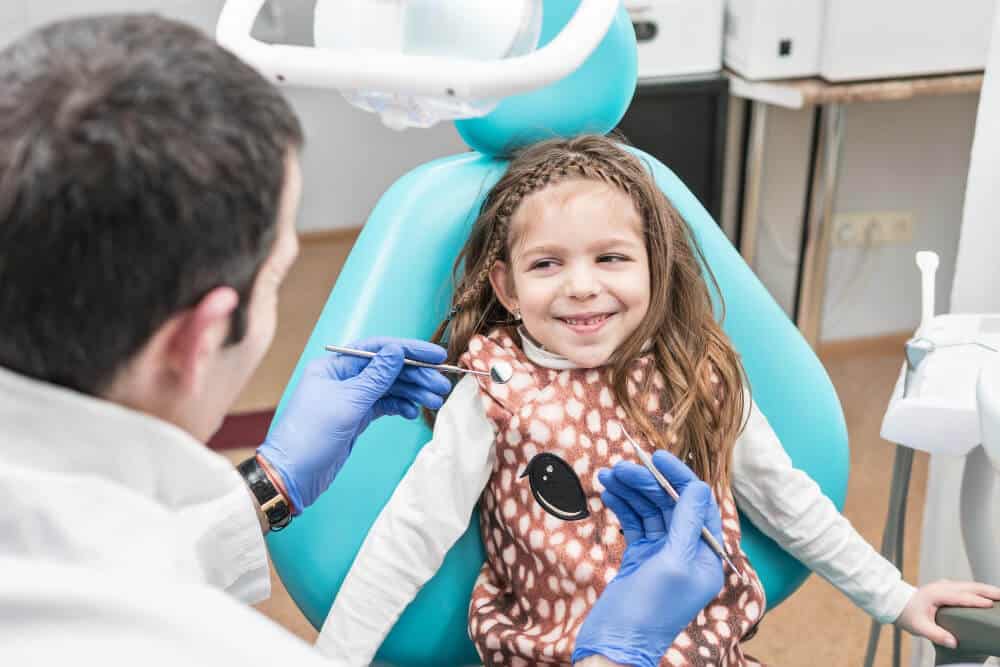
Most childhood cavities form in the same spot — the grooves on the back teeth. These grooves are narrow, deep, and nearly impossible for a toothbrush to reach properly. Fissure sealants are among the simplest ways to protect teeth before decay can start.
If your child is approaching their first or second set of permanent molars, here’s what you need to know.
What Are Fissure Sealants?
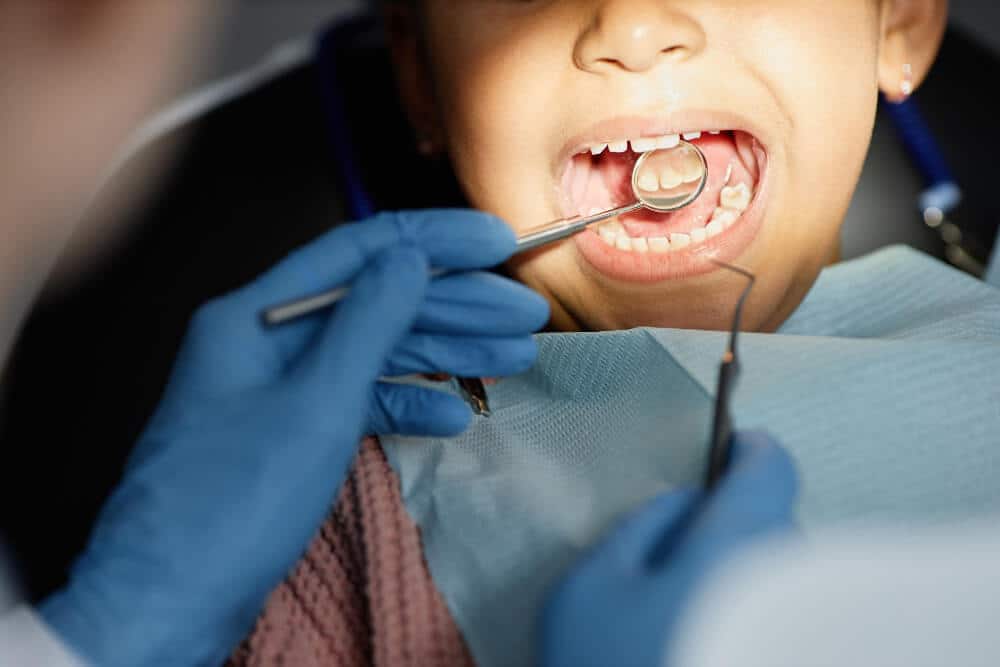
A fissure sealant is a thin coating applied to the back teeth — molars and premolars — to provide a protective layer. Because these teeth have grooves and pits on their biting surfaces, they tend to trap food and bacteria that a toothbrush often cannot reach.
The sealant flows into those grooves and hardens, creating a smooth barrier over the surface. Bacteria no longer have a place to settle and multiply, which significantly reduces the risk of decay forming in those teeth.
Why Are Sealants Important for Kids?
Children’s permanent molars tend to have deeper, more pronounced grooves than those of adults. That, combined with the fact that kids are still developing their brushing habits, makes the back teeth particularly vulnerable to decay.
Research consistently shows that fissure sealants can reduce the risk of cavities in back teeth by up to 80%. For children who are cavity-prone or who have particularly deep grooves, that protection can make a meaningful difference in their long-term dental health.
Beyond preventing pain and treatment, sealants also help avoid more complex procedures down the track. A tooth that is sealed and protected early is far less likely to need fillings, root canal treatment, or early extraction — outcomes that matter both for your child’s comfort and for the overall cost of their care over time.
When Should Kids Get Sealants?
Timing matters. The two key windows for fissure sealant application align with when permanent molars emerge:
Around age 6, the first permanent molars come through at the back of the mouth. These teeth often arrive quietly, and parents don’t always notice them, but they’re present and vulnerable from the moment they erupt.
Around age 12, the second permanent molars emerge. Sealing these teeth promptly gives them the same early protection.
It’s worth noting that sealants can also be applied to baby molars if those teeth have deep grooves, though this is assessed on a case-by-case basis. Your dentist will check whether the grooves are deep enough to warrant sealing during your child’s regular dental check-up.
The earlier sealants are applied after a tooth erupts, the better — ideally before any early decay can begin.
What Does the Procedure Involve?
The sealant procedure is quick, comfortable, and requires no drilling or injections. Here’s what the process looks like:
- Cleaning — The tooth is cleaned to remove any built-up plaque and food debris.
- Etching — A mild acid gel is applied briefly to the biting surface to roughen it slightly, helping the sealant bond securely to the tooth.
- Rinsing and drying — The acid gel is rinsed off before the tooth is fully dried in preparation for the next step.
- Sealant application — The sealant is carefully applied over the grooves and pits of the tooth.
- Curing — A small curing light hardens the sealant within seconds.
Each tooth typically takes only a few minutes. Most children find the process easy and are comfortable throughout. There’s no recovery time, no sensitivity afterwards, and they can eat and drink normally once they leave the chair.
How Long Do Sealants Last?
Fissure sealants typically last between five and ten years, though this varies depending on the individual, the tooth, and dietary habits. At every regular dental visit, sealants are assessed for wear or chipping, and resealed as needed.
The protection sealants offer during the cavity-prone childhood and adolescent years make them a cost-effective preventive measure. Addressing potential decay before it starts is always simpler — and less expensive — than treating it once it’s developed.
Frequently Asked Questions
Are fissure sealants safe?
Yes. Sealants have been used in children’s dentistry for decades and are considered a safe, well-established preventive treatment. They’re made from tooth-coloured dental resin and sit only on the surface of the tooth, with no drilling required.
Do sealants hurt?
No. The procedure is completely painless. No injections are needed, and no tooth structure is removed. Most children are comfortable from start to finish.
Can adults get fissure sealants?
Yes, though they’re most beneficial when applied early. If an adult has deep grooves in their back teeth and no existing decay or fillings in those areas, sealants can still offer worthwhile protection. Your North Lakes dentist can advise whether they’re suitable in your specific case.
Do health funds cover fissure sealants?
Many Australian health funds include fissure sealants under their extras cover, particularly for children. Coverage varies by fund and level of cover, so it’s worth checking your policy directly or asking our team to help clarify what applies to you.
Do sealants replace brushing and flossing?
No. Sealants protect the chewing surfaces of back teeth, but they don’t cover the sides or gaps between teeth. Regular brushing, flossing, and dental check-ups remain essential.
Fissure Sealants in North Lakes
If your child is around six or twelve, or if you’re unsure whether their back teeth have already been sealed, a check-up is the best place to start. At Passion Family Dental North Lakes, we assess each child’s teeth individually and discuss whether fissure sealants are appropriate based on groove depth, eruption stage, and overall dental health.
We welcome families from North Lakes and nearby areas, including Mango Hill, Griffin, Murrumba Downs, and Kallangur.
To book an appointment or ask about children’s preventive care, call us on (07) 3465 1199 or book online. You’ll find us at Unit 4/6 Endeavour Boulevard, North Lakes.