
Gum Disease Treatment in North Lakes: Stages, Symptoms and How It’s Treated
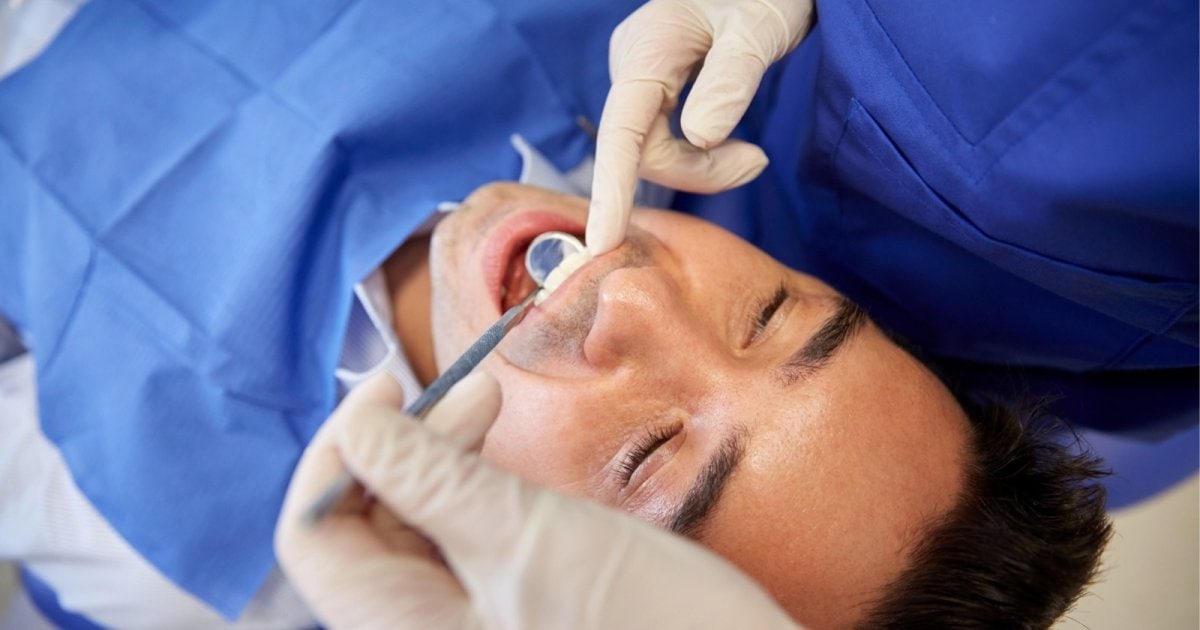
If your gums bleed when you brush, look red or swollen, or a dentist has mentioned gum disease, you may be wondering what gum disease treatment involves and how serious it is. Gum disease is a bacterial infection and inflammation of the tissues that support your teeth, and it is sometimes called a gum infection.
This guide explains the stages of gum disease, the symptoms to look for, how it is diagnosed, the treatment options, what you can do at home, and the risks and limits of treatment. It ends with questions to bring to your appointment.
Gingivitis can generally be managed with professional treatment and good home care. Periodontitis can be managed but not cured, and it needs ongoing care.
This article is general information only. It is not a diagnosis. Only an examination can show whether you have gum disease and how advanced it is. Our prevention and treatment of gum disease page gives an overview of care at Passion Family Dental North Lakes.
What is Gum Disease?
Gum disease starts with plaque, a sticky film of bacteria that forms on teeth and along the gumline every day. If plaque is not removed, it can harden into calculus, also called tartar. Calculus cannot be brushed off and gives bacteria more to grip.
The bacteria irritate the gums, which become inflamed. Left alone, the inflammation can spread below the gumline and affect the bone that holds your teeth in place.
Early gum disease often causes little or no discomfort, so many patients do not realise they have it. That is one reason regular check-ups matter.
The Stages of Gum Disease
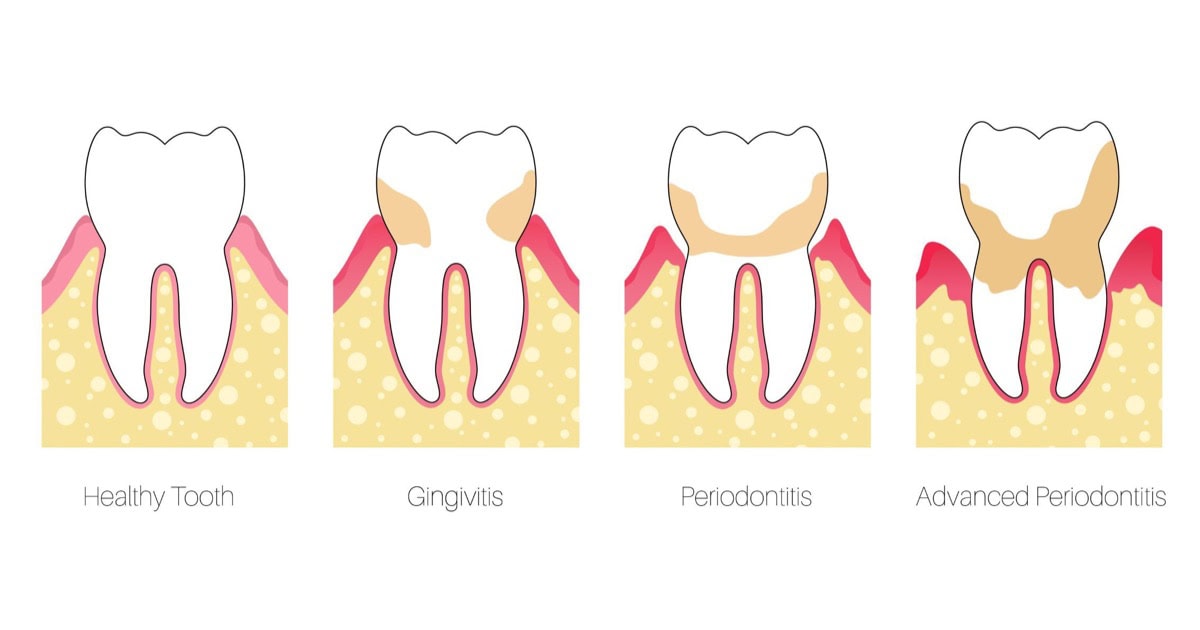
Gum disease is usually described in two main stages. The diagram below shows how gum disease can progress, from healthy gums through gingivitis to periodontitis.
Gingivitis
Gingivitis is the early stage. The gums look red or puffy and may bleed when you brush or floss. The bone supporting the teeth has not been affected.
Gingivitis can generally be managed with a professional clean and consistent home care.
Periodontitis
If gingivitis is not managed, the inflammation can progress to periodontitis. The gums start to pull away from the teeth, forming pockets where bacteria collect. Over time, the bone supporting the teeth can be lost, and teeth may loosen or shift.
Dentists often describe periodontitis as early, moderate or advanced. Treatment can help control it and slow its progress, but it is managed rather than cured. Bone that has been lost does not usually regrow on its own, so ongoing care is important.
The diagram shows periodontitis and advanced periodontitis, but your dentist will assess exactly where your own gums sit.
Symptoms to Look Out For
Signs of gum disease include:
- Gums that bleed when you brush, floss or eat.
- Red, swollen or tender gums.
- Persistent bad breath or a bad taste.
- Gums that are pulling away from the teeth, so teeth look longer.
- Pus between the teeth and gums.
- Loose or shifting teeth.
- A change in the way your teeth fit together when you bite.
- Discomfort when chewing.
Early gum disease may have no symptoms at all. If you notice any of these signs, see your dentist rather than waiting. Our article on how to stop bleeding gums explains what bleeding can mean and what to do.
Causes and Risk Factors
Plaque is the main cause, but some things raise the risk or make gum disease harder to manage:
- Not removing plaque well, including between the teeth.
- Smoking or vaping.
- Diabetes, particularly when it is not well managed.
- Hormonal changes, such as during puberty, pregnancy or menopause.
- A family history of gum disease.
- Dry mouth.
- Crowded teeth or worn restorations that trap plaque.
Having risk factors does not mean you will develop gum disease, and having none does not rule it out.
How Gum Disease is Diagnosed
Diagnosis starts with an examination. Your dentist will usually:
- Ask about your medical history, symptoms and habits.
- Check your gums for redness, swelling, bleeding and recession.
- Measure the depth of the pockets around each tooth with a small probe.
- Take X-rays, where appropriate, to check the bone supporting your teeth.
- Look for plaque, calculus and anything that may be contributing.
From this, your dentist can tell whether you have gingivitis or periodontitis, how widespread it is and what treatment is appropriate. A comprehensive examination is a good starting point if you have not had a full gum check.
How Gum Disease is Treated
Treatment for gum disease depends on the stage, how many teeth are affected and your general health. Not every treatment is provided at every practice. After assessing your gums, your dentist can explain the available treatment options and whether referral to a periodontist may be appropriate.
Professional clean
For gingivitis, treatment usually starts with a professional dental clean. The dentist or hygienist removes plaque and calculus from the teeth and just below the gumline, polishes the teeth and shows you how to clean them at home. A review visit checks how the gums have responded.
Deep cleaning below the gumline
For periodontitis, a deeper clean called scaling and root planing is often discussed. Plaque and calculus are removed from below the gumline, and the root surfaces are smoothed to help the gums settle against the tooth.
It may need more than one visit. Local anaesthetic may be used to manage discomfort, and individual experiences vary. Your gums may be tender or bleed a little afterwards. Your dentist will review how they have responded.
Other treatment options
If deep pockets remain after cleaning, or the damage is advanced, your dentist may discuss other options. These can include gum surgery to clean deeper areas, reshaping gum tissue or grafts. These are often provided by a periodontist. Your dentist or doctor may also recommend additional products as part of your care.
Where a tooth cannot be maintained, your dentist will discuss removing it and the options for replacing it.
Ongoing maintenance
Periodontitis needs regular maintenance visits, at intervals your dentist will set for you, along with consistent home care. Without ongoing care, gum disease can return or progress.
Gum Disease Prevention: Caring for Your Gums at Home
Daily habits make a real difference, whether you want to prevent gum disease or support treatment:
- Brush twice a day with a soft toothbrush and fluoride toothpaste, angling the bristles towards the gumline.
- Clean between your teeth daily with floss or interdental brushes.
- Keep brushing gently if your gums bleed. Stopping lets plaque build up further.
- Quit smoking or vaping. Ask for help if you need it.
- Keep up your check-ups and cleans at the frequency your dentist recommends.
- Ask your dentist whether a rinse would suit you.
- Manage conditions such as diabetes with your doctor.
Risks and Limitations of Treatment
Treatment for gum disease is effective for many patients, but it has limits. Your dentist should explain them before you start.
- Soreness, bleeding and sensitivity after deep cleaning.
- Gum recession. As swelling goes down, the gums can shrink, which can make teeth look longer or gaps more visible.
- Disease that continues despite treatment, especially if home care or maintenance slips.
- Teeth that cannot be saved in advanced cases.
- Surgical risks, including infection, bleeding, further recession and numbness.
- Bone loss that does not return. Treatment aims to stop further loss, not to restore what has gone.
Results vary between patients. No treatment can guarantee an outcome, and your own habits, health and risk factors play a large part.
Questions to Ask at Your Gum Health Assessment
- Do I have gingivitis or periodontitis?
- How deep are my gum pockets, and what do my X-rays show?
- What treatment do you recommend, and why?
- What can be done at this practice, and when might I be referred?
- What are the risks and limitations in my case?
- How often will I need maintenance visits?
- What are the total costs and what do they include?
Gum Disease FAQs
Can gum disease be cured?
Gingivitis can generally be managed with treatment and good home care. Periodontitis is managed, not cured. Treatment aims to control it and slow its progress, and ongoing care is needed.
Do bleeding gums always mean gum disease?
Not always. Brushing too hard, a new toothbrush or irritation can also cause bleeding. But regular bleeding is a common early sign of gum disease and should be checked.
Does gum disease always hurt?
No. Early gum disease often causes little or no discomfort, which is why check-ups matter. Pain, swelling or pus can mean it has progressed or that an infection has developed, and you should see a dentist promptly.
Can gum disease come back after treatment?
Yes. If plaque builds up again, gum disease can return or progress. Consistent home care and the maintenance visits your dentist recommends help keep it under control.
How do I treat gum disease at home?
Good brushing, cleaning between your teeth and avoiding smoking support your gums, but home care alone cannot remove hardened calculus or treat established gum disease. See your dentist for an examination and a treatment plan.
Book a Gum Health Assessment in North Lakes
Noticed bleeding gums, or been told you may have gum disease? The next step is an examination.
At Passion Family Dental North Lakes, your dentist can check your gums, explain what they find and talk through your options, including whether a referral may be suggested, before you decide on anything.
Call us on (07) 3465 1199 or book online to arrange a gum health assessment. You can also read about prevention and treatment of gum disease at our practice.
We are at 4/6 Endeavour Boulevard, North Lakes QLD 4509, and we welcome patients from Mango Hill, Griffin, Murrumba Downs and Kallangur.
This article is general information and does not replace advice from a registered dental practitioner. All dental procedures carry risks. Results vary between patients. Ask your dentist whether the treatment is appropriate for you.