
Sensitive Teeth: Why They Hurt and How to Get Relief

That sharp, short jolt from something cold, hot, or sweet has a specific physical cause — it isn’t random, and what triggers it can actually point toward why it’s happening. This covers what’s going on beneath the surface, what different triggers suggest, what helps day to day, and when it’s worth having assessed rather than managed at home indefinitely.
What Tooth Sensitivity Actually Is
Underneath the enamel and along the tooth root is dentine, a layer containing thousands of microscopic channels called tubules. These tubules connect to the nerve at the centre of the tooth. When enamel or gum tissue that normally covers and protects the dentine is lost, those tubules are exposed.
Inside the tubules is fluid. Temperature changes, sugary or acidic substances, and even a stream of air can cause that fluid to shift, and the nerve reads that shift as pain — a sharp, short sensation rather than a dull ache. This is why sensitivity is sudden and triggered, rather than constant.
Common Triggers
Cold reflects how easily temperature change moves fluid within the tubules, which is why it’s a well-known trigger for sensitivity.
Heat can also trigger sensitivity, though a tooth that reacts more to heat than cold, or aches after the trigger is removed, can point toward a different issue — such as a problem with the nerve itself — rather than dentine exposure alone.
Sweet foods trigger sensitivity through a change in fluid pressure within the tubules caused by the sugar itself, separate from any decay that sugar might also be contributing to over time.
Acidic foods and drinks can trigger sensitivity directly, and repeated exposure can also thin the enamel over time, making the tooth more sensitive to other triggers as well.
Cold air hitting exposed dentine, particularly on a tooth with gum recession, can trigger the same fluid response as cold food or drink.
Which trigger affects you, and how, is part of what a dentist uses to narrow down the underlying cause — it isn’t just about identifying the trigger, but what the trigger pattern suggests.
Why Sensitivity Develops
Enamel wear from acid erosion, or from brushing technique over time, thins the protective layer covering the dentine.
Gum recession exposes the root surface, which isn’t covered by enamel in the first place and is more prone to sensitivity once exposed.
A cracked tooth can expose dentine at the crack itself, sometimes causing sensitivity that’s sharp and specific to biting or releasing pressure on that tooth.
Recent dental treatment, such as a filling or a professional clean, can cause temporary sensitivity while the tooth settles — this is expected in the short term and isn’t necessarily a sign of a problem.
Grinding or clenching may contribute to enamel wear and additional stress on the teeth, which can be associated with sensitivity and other effects on the teeth and jaw.
More than one of these can be present at once, which is part of why identifying the actual cause — rather than just addressing the sensitivity itself — matters for getting lasting relief rather than short-term relief that keeps returning.
What You Can Do at Home
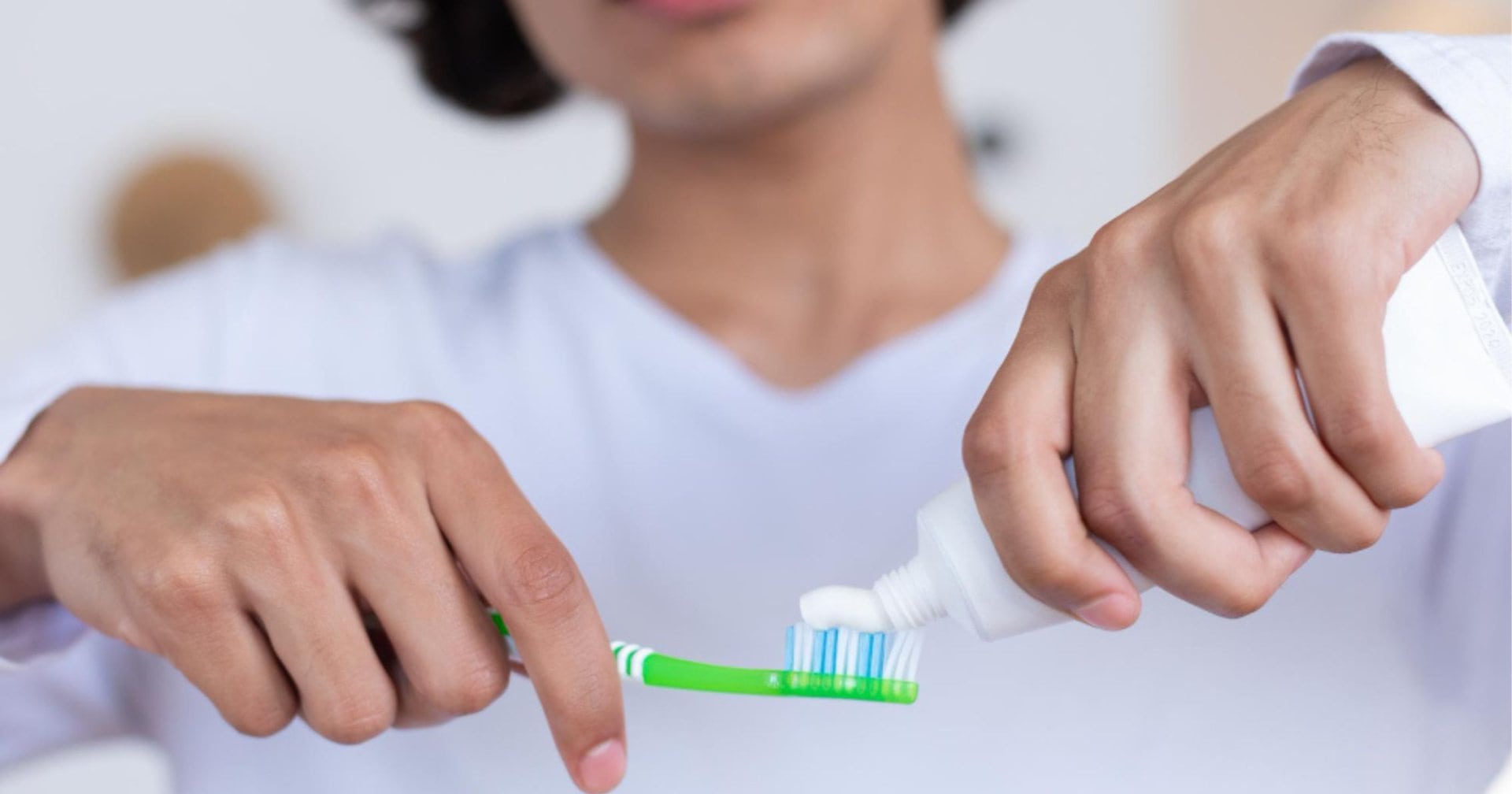
Desensitising toothpaste. These toothpastes work by blocking the tubules or interrupting the nerve signal over time with regular use, rather than providing instant relief from a single application. Applying a small amount directly to a specific sensitive tooth, rather than only relying on it during brushing, can help target the area more directly.
Brushing technique. A soft-bristled toothbrush and gentle technique reduce further mechanical wear on enamel and gum tissue, which is relevant both to preventing new sensitivity and to avoiding making existing sensitivity worse.
Avoiding the acid erosion cycle. Brushing immediately after consuming something acidic can wear away enamel that’s temporarily softened by the acid. Rinsing with water and waiting before brushing gives enamel time to reharden first.
None of these reverse enamel or gum tissue that’s already been lost — they help manage the sensitivity and reduce further wear, which is a different thing from restoring what’s already gone.
When to See Your Dentist
Some patterns are worth having assessed rather than managed at home indefinitely:
- Sensitivity that does not immediately go away after the trigger is removed
- Pain that wakes you at night, or occurs without an obvious trigger
- Sensitivity isolated to one tooth, rather than a general sensitivity across several teeth
- Sensitivity that’s new or worsening, particularly after recent dental work
These patterns can point to something beyond typical dentine exposure — a crack, a deeper issue with the nerve, or decay — which home care alone doesn’t address. Our Sensitive Teeth Treatment page covers the professional treatment options available once the cause has been identified.
Frequently Asked Questions
Why do my teeth hurt when I eat something cold?
Cold triggers movement in the fluid inside microscopic tubules within the tooth’s dentine layer, which the nerve reads as a sharp, brief pain. This happens when the enamel or gum tissue that normally covers the dentine has been lost or thinned.
Does tooth sensitivity indicate a more serious issue?
It can be, though it doesn’t always mean something serious. Sensitivity linked to a recent filling or clean is expected short-term. Sensitivity that’s new, isolated to one tooth, lingers after the trigger, or wakes you at night is worth having assessed rather than assumed to be routine.
Does sensitive toothpaste actually work?
It can help reduce sensitivity with regular use over time by blocking the tubules or interrupting the nerve signal, though it works gradually rather than immediately, and it addresses the sensitivity rather than the underlying cause.
Can sensitive teeth be cured permanently?
This depends on the cause. Sensitivity from an issue like a crack or decay can be addressed at the source once identified. Sensitivity from enamel wear or gum recession is managed rather than reversed, since that lost tissue doesn’t grow back — your dentist can advise on what’s realistic for your specific case.
Should I stop eating cold or acidic foods if my teeth are sensitive?
Not necessarily, but reducing how often acidic foods and drinks contact your teeth, and rinsing with water rather than brushing immediately afterwards, can help limit further enamel wear. Your dentist can advise on what’s relevant to your specific triggers.
Sensitive Teeth Treatment in North Lakes
If sensitivity is lingering, isolated to one tooth, or getting in the way of eating and drinking comfortably, we’re happy to take a look and find out what’s causing it.
At Passion Family Dental North Lakes, we welcome patients from Mango Hill, Griffin, Murrumba Downs, and Kallangur.
Call us on (07) 3465 1199 or book online. Visit us at Unit 4/6 Endeavour Boulevard, North Lakes.
Any surgical or invasive procedure carries risks. Before proceeding, consider seeking a second opinion from an appropriately qualified health practitioner.