Tooth Pain When Chewing: Common Causes and What to Do
Tooth pain when chewing can be hard to ignore, because you use your teeth every time you eat. A sharp twinge when you bite down, or a dull ache that builds as you chew, is a sign that something is irritating the tooth or the tissue around it.
This guide explains why chewing can hurt, the common causes, clues that can point to the cause, what to do in the meantime and when to get urgent help. It covers pain after a filling too.
This article is general information only. It is not a diagnosis. Pain when chewing is worth having examined, because the cause often needs treatment.
Why Does a Tooth Hurt When You Chew?
Chewing presses the tooth down into its socket and flexes it slightly. If the tooth is cracked, decayed, infected or surrounded by inflamed gum, that pressure can set off pain.
This is different from sensitivity to hot or cold, although the two can happen together. Our article on sensitive teeth and why they hurt covers that kind of pain.
Common Causes of Tooth Pain When Chewing
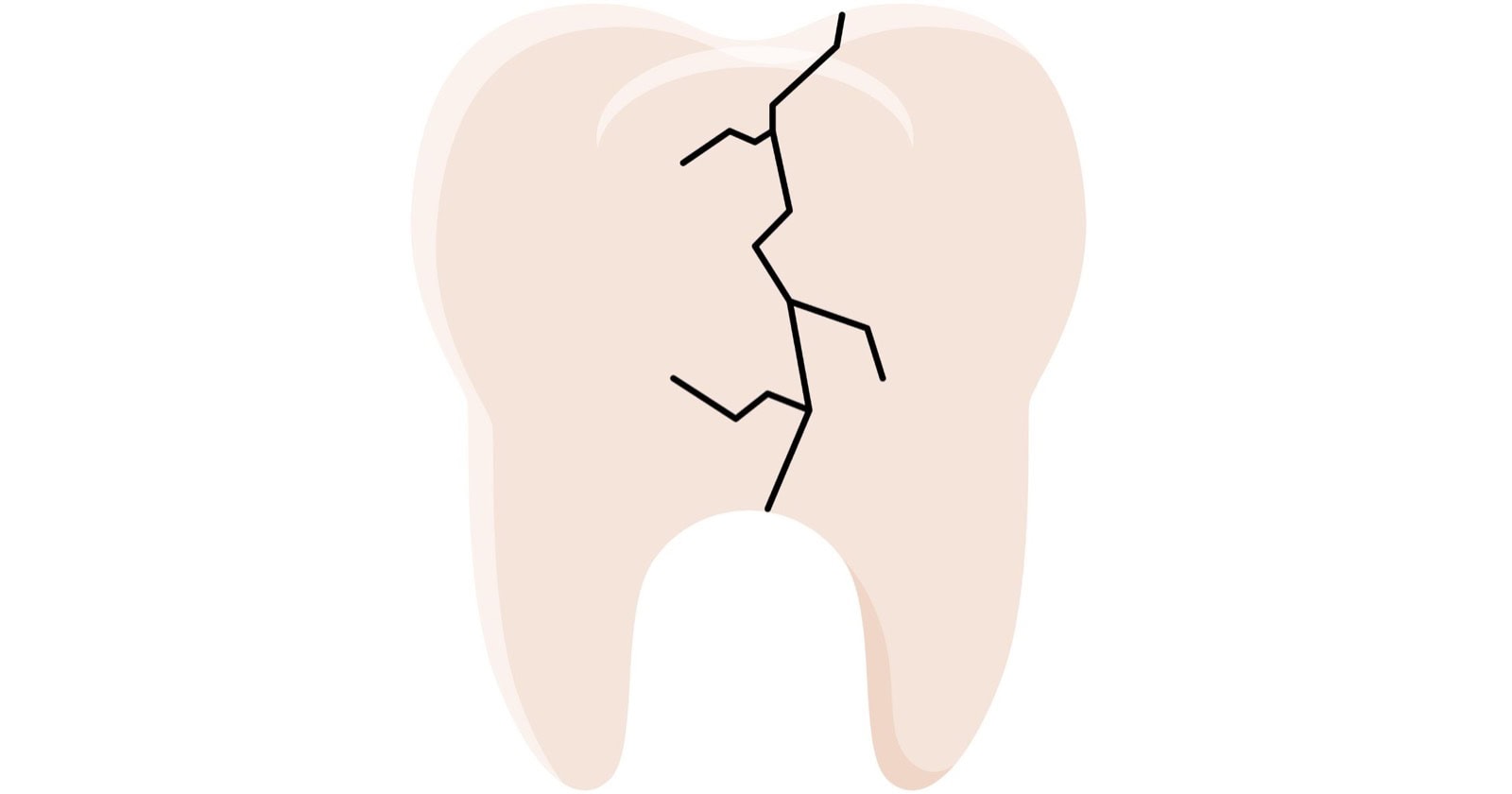
- A cracked or fractured tooth. A crack can open slightly when you bite and close again when you let go, which is why some patients feel a sharp pain in the tooth when chewing, or when they release the bite. Cracks are not always visible.
- Tooth decay. A deep cavity can irritate the nerve, and pressure from chewing can make it worse.
- An infection at the root. An infected or dying nerve can make the tooth tender to bite on. It may come with swelling, a bad taste or a pimple-like bump on the gum.
- A filling that has failed or sits high. A worn or leaking filling can let decay develop beneath it, and a new filling that is slightly too high can take extra force when you bite.
- Gum problems. Inflamed or infected gum around a tooth can make it sore to chew on.
- Grinding or clenching. Heavy force on the teeth can leave them tender and the jaw muscles tired.
- A sinus problem. Pressure can make the upper back teeth ache, especially when you chew.
- A wisdom tooth coming through. The gum around it can be tender when it is pressed.
- Food trapped between teeth, which can irritate the gum until it is cleaned out.
Several of these can occur together, and the cause isn’t always the tooth that hurts.
Clues that Can Point to The Cause
These are clues for your conversation with your dentist, not a way to diagnose yourself.
- Sharp pain that comes on when you release the bite can suggest a crack.
- A dull, lingering ache that lasts after hot or cold foods can suggest the nerve is irritated.
- Pain on one particular tooth that is tender to touch can suggest an infection or a problem at the root.
- A sore, swollen or bleeding gum next to the tooth can suggest a gum problem.
- Pain in several upper back teeth, with a cold or a blocked nose, can suggest a sinus cause.
- Pain that began after dental work can suggest the filling or the bite needs checking.
Tooth Pain After a Filling When Chewing
Some sensitivity after a filling is common, and it often settles. Pain when you chew is different, and it can mean:
- The filling is slightly too high, so that tooth takes more force than the others.
- The tooth is inflamed after treatment, particularly if the decay was deep.
- A crack or other problem was present in the tooth.
A high filling is usually straightforward for your dentist to adjust. If your bite feels uneven, or the pain doesn’t settle, contact the practice rather than waiting. Don’t try to file or adjust a filling yourself.
What to Do in The Meantime
While you wait for an appointment:
- Chew on the other side, and keep to softer foods.
- Avoid very hard, sticky, hot or cold foods that set the tooth off.
- Keep the area clean, brushing gently and clearing any trapped food with floss.
- Don’t put anything on the tooth or gum, and don’t try to treat it yourself.
- Don’t ignore it. Pain that keeps coming back usually has a cause that needs treatment.
How a Dentist Finds the Cause
Your dentist will usually:
- Ask where the pain is, what sets it off and how long it has been happening.
- Examine the tooth, the gum and any fillings or crowns.
- Check how your teeth bite together, including a bite test on the tooth.
- Test the tooth’s response to cold, where appropriate.
- Take X-rays to look at the roots and the bone.
Cracks and early infections can be hard to see, so it sometimes takes more than one visit or test to confirm the cause.
Treatment Depends on the Cause
Your dentist will explain the options for your tooth. They may include:
- Adjusting the bite if a filling or crown is too high.
- Replacing a worn or leaking filling, or treating decay.
- A crown or other restoration to protect a cracked or weakened tooth.
- Root canal treatment or removal if the nerve is infected, depending on the tooth.
- Gum treatment if the gum is the problem.
- Protection such as a nightguard if grinding is a factor.
- A referral to your GP if a sinus problem is likely.
Treatment cannot guarantee that a cracked tooth can be saved, and results vary between patients. Your dentist will explain the risks and limits for your tooth.
When to Get Urgent Help
Call 000 or go to your nearest hospital emergency department if you have:
- Swelling of the face, mouth or neck that is spreading.
- Trouble breathing or swallowing.
- A fever with severe pain, or you feel very unwell.
For a swollen face or a bad taste with tooth pain, see a dentist promptly. Our page on dental emergencies explains what to do.
Tooth Pain When Chewing FAQs
Why does my tooth hurt only when I bite down?
Pain that appears only under pressure often points to a crack, a problem at the root, an uneven filling or inflamed gum. It is worth having the tooth examined, because these usually don’t settle on their own.
Does a tooth that hurts when chewing always have a crack?
No. A crack is one possible cause, along with decay, infection, a high filling and gum problems. Your dentist can tell which it is.
Will pain after a filling go away?
Mild sensitivity often settles. Pain when you chew, or a bite that feels uneven, should be checked, because a high filling usually needs a small adjustment.
Can a sinus problem cause pain when chewing?
It can, particularly in the upper back teeth, because they sit close to the sinuses. Your dentist can check whether a tooth is involved, and your GP can advise on any sinus symptoms.
Book an Appointment in North Lakes
Pain when you chew that keeps coming back? The next step is an examination.
At Passion Family Dental North Lakes, your dentist can check your teeth, bite and gums, review your X-rays, work out what is causing the pain and talk through your options before you decide on anything. You can also read about toothache management in North Lakes and Mango Hill.
Call us on (07) 3465 1199, or book online.
We are at 4/6 Endeavour Blvd, North Lakes QLD 4509, and we welcome patients from North Lakes, Mango Hill, Griffin, Murrumba Downs and Kallangur.
This article is general information and does not replace advice from a registered dental practitioner or doctor. All dental procedures carry risks. Results vary between patients. Ask your dentist whether treatment is appropriate for you.